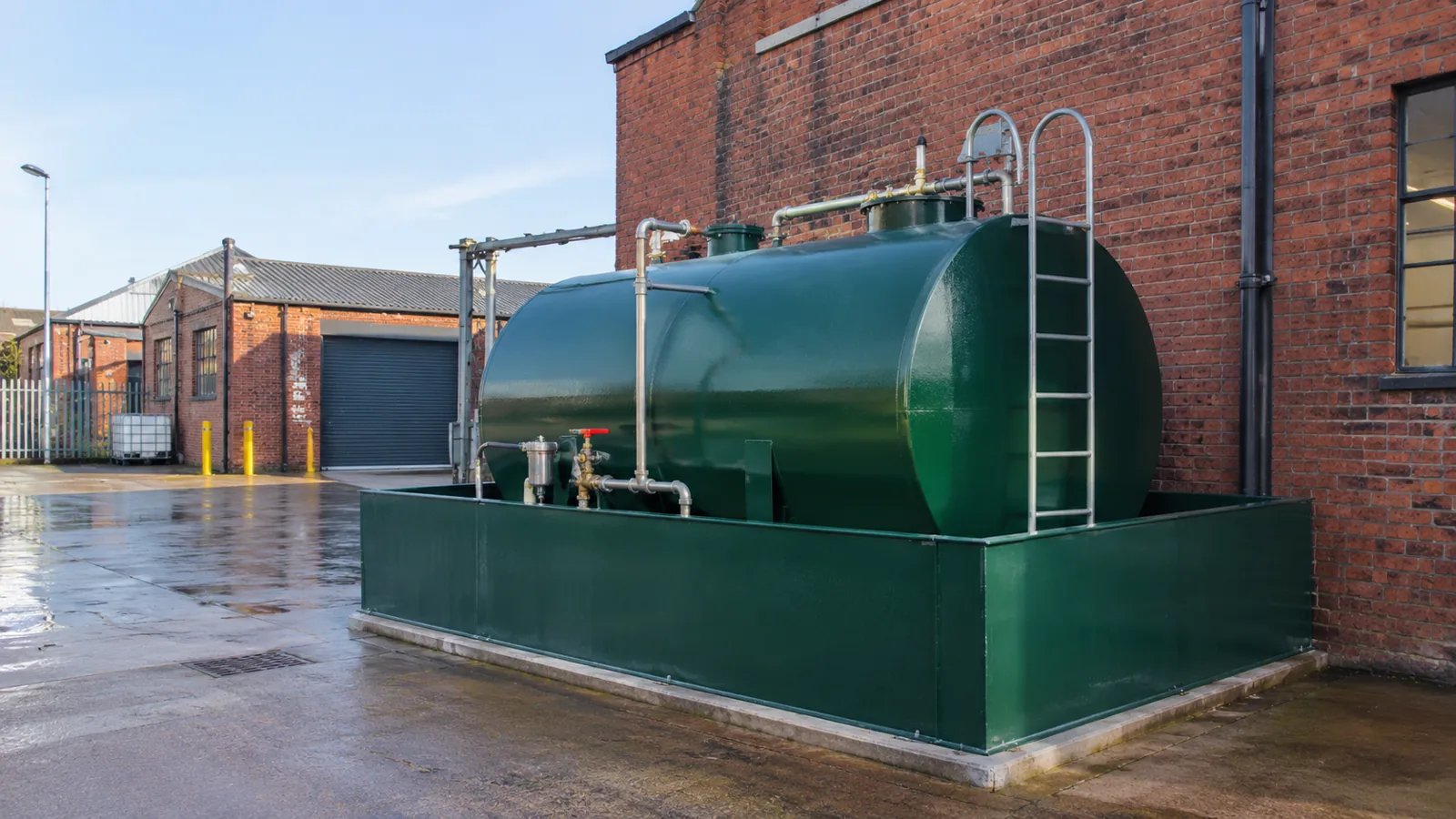
Fuel Tank Services In Liverpool.
For working yards, logistics premises and storage that has reached the end of its use.
Start your enquiryThe Tank. The Fuel.
The Next Step.
A redundant tank and a contaminated working system need different answers. Liverpool Fuel Tank Services brings the practical questions together, from recovering usable stock to clearing the vessel and documenting what remains.
Choose the work below, or describe the problem if the correct service is not yet clear. Enquiries cover commercial premises, facilities teams, contractors, landlords and managed estates.
Fuel Tank Removal
Clear redundant storage from a yard, basement or plant room.
View guide02Tank Cleaning
Remove water, sludge and deposits before the next stage.
View guide03Tank Decommissioning
Close a fuel system with an agreed, recorded end state.
View guide04Generator Removal
Coordinate electrical release, fuel recovery and the lift out.
View guide05Tank Foam Filling
Assess permanent closure where a tank must remain in place.
View guide06Fuel Polishing
Assess and filter stored fuel for continued commercial use.
View guide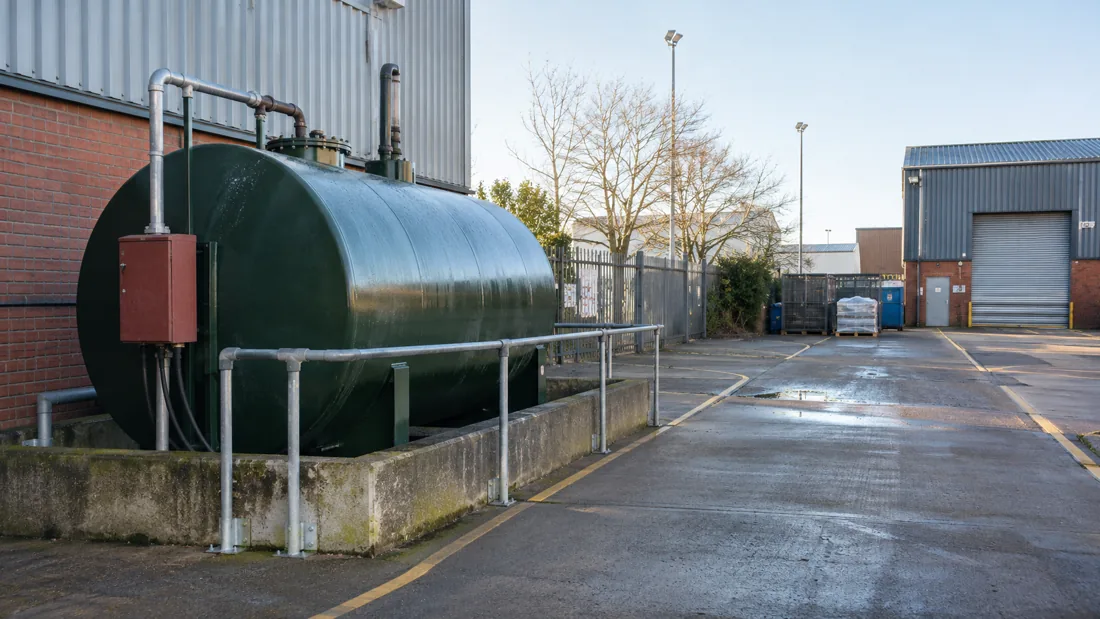
A Working Yard Cannot Simply Stop.
Loading bays, pedestrian routes and neighbouring units still need to function while tank work is underway. Start with the available work area, the operational window and the equipment that relies on the fuel supply.
A crane position may occupy a delivery route. A cleaning hose may cross a vehicle movement area. A generator tank can support equipment that must remain available. These interfaces need an agreed plan before a visit is booked.
Photograph the route as well as the vessel. Doors, overhead structures, turning space and the ground around the tank can be more decisive than capacity alone. For older storage inside a building, the route used to install it may no longer exist.
See what to include in an enquiryFrom First Details
To A Defined Scope.
Useful information at the start reduces assumptions about the method, remaining fuel and final condition of the site.
- 01
Describe The Equipment
Give the tank or generator type, approximate capacity, former contents and current use. Mention leaks, contamination, old reports and anything you do not know.
- 02
Assess The Constraints
The provider can establish whether photographs are enough or a survey is needed. Access, fuel handling, isolations, shutdowns and permit arrangements shape the proposal.
- 03
Agree The Finish
Set the boundary before work starts. A cleaned tank, a removed vessel and a filled tank left in place are different outcomes, with different handover information.
Liverpool And Its Commercial Neighbours.
Enquiries cover Liverpool and nearby commercial areas including Bootle, Seaforth, Kirkby, Huyton, Speke, Garston, Halewood, Birkenhead and Wallasey.
Read the area and access guideThe Port of Liverpool includes container terminals at Seaforth and docks on both sides of the Mersey. That local setting makes gate arrangements, managed working areas and vehicle access useful early questions, without assuming every site is a port facility.
For a redevelopment, say what is planned after the old storage is closed. For a working warehouse or depot, explain which operations must continue. Site-specific information is more valuable than a general request to “remove a tank”.
Local context: Peel Ports, Port of Liverpool.
Before You Enquire.
Do not drain, cut or enter a tank to prepare it for an enquiry. If there is an active leak or immediate safety concern, follow your site incident arrangements and keep people clear of the affected area.
Should We Clean A Tank Or Remove It?
A tank clean is worth assessing when the vessel has a continuing purpose and its condition supports reuse. Removal is a different decision, usually linked to redundant storage, damage or a changed use of the space. Describe the condition, contamination and future requirement so the enquiry starts with the right outcome.
What If We Do Not Know What Is Left Inside?
Unknown tank contents should be flagged before any method or price is agreed. Give the last known product, the approximate time out of use and any old inspection or delivery records. Do not open, enter or disturb the vessel to investigate. The provider can decide what assessment or sampling is needed.
Tell Us What’s On Site.
A tank to remove, fuel to recover, or a system whose history is unclear? Describe the equipment and the outcome you need.
Capacity, remaining contents, access restrictions and a site postcode help establish the next step. You can describe photographs here and share them when a provider responds.