Decide Between Polishing And Cleaning
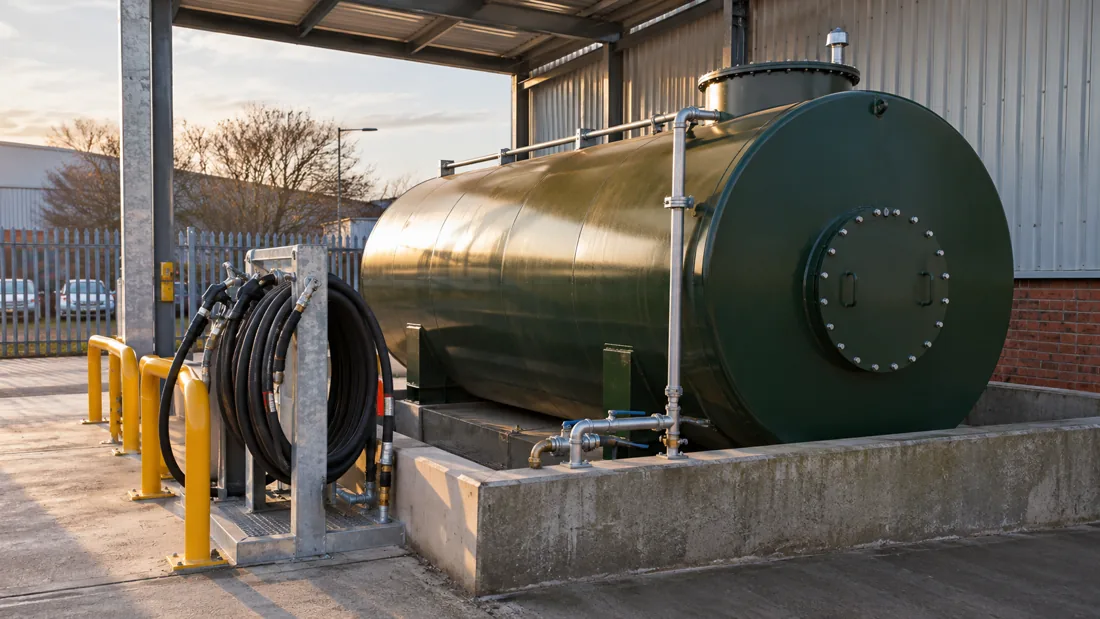
Polishing treats circulating fuel. It does not reliably remove deposits attached to tank walls or a heavy sludge layer at the bottom. If those remain, apparently improved fuel can pick up contamination again when the tank is disturbed.
Tank cleaning addresses the vessel and its deposits. Some jobs need fuel recovery, cleaning and subsequent filtration together. Others involve a relatively clean tank with water or suspended particles that can be assessed for polishing alone.
Chemical deterioration is another limit. Removing particles does not reverse oxidation or make unsuitable fuel meet an engine specification. If testing indicates the stock should be replaced, repeated filtration is not a substitute for that decision.
Build A Useful Fuel History
Tell us the fuel type, age if known, approximate volume and how the stock is used. A rarely called-on standby generator has different turnover from a fleet dispenser. The tank’s capacity is useful, but the actual quantity of fuel determines the treatment volume.
Describe symptoms such as repeated filter blockages, cloudy fuel or poor running, and provide the maintenance contractor’s findings. Those symptoms need interpretation because they can have causes beyond fuel contamination. Existing laboratory reports are more useful than a description based only on colour.
Sampling should reflect the question being investigated and the tank configuration. Water and deposits may be concentrated near the floor, so a convenient surface sample can miss the issue. Leave sampling from restricted openings to an appropriate person rather than opening the tank for the enquiry.
Agree The Treatment Objective
The provider should explain what contamination is being targeted and what evidence will demonstrate the outcome. Water separation, staged particle filtration and assessed treatment for microbial contamination serve different purposes. Adding a treatment product is not a default answer to every fuel problem.
Where microbial growth is suspected, discuss confirmation and the source of water as well as the treatment. Any chemical use needs a suitable specification and handling arrangements. Killing organisms without addressing debris and the tank condition can leave material that still blocks filters.
Be clear about acceptance criteria. A visual check is not the same as an agreed laboratory test. If the equipment manufacturer, insurer or maintenance plan requires a particular result, give that requirement before the quotation so the sampling and reporting scope can account for it.
Keep Operational Needs Visible
In-situ polishing may allow the tank to remain available, but that depends on the fuel system, contamination and method. Heavy contamination can require an outage and tank cleaning. Do not promise continuity internally before the provider has assessed the configuration.
Explain what the generator or plant supports and when tests or operating runs are planned. Coordinate the treatment with the maintenance contact, especially if fuel levels, return lines or temporary connections affect operation. A critical service should not rely on an unconfirmed assumption that treatment has no operational effect.
Access information should include the tank position, safe hose route, vehicle parking and available working area. Photograph external connection points and surrounding routes. Managed yards may need barriers and a different vehicle position to keep loading bays and emergency routes usable.
Understand Time And Cost
Fuel volume, contamination level, tank geometry and circulation arrangements affect the work. A large quantity with light contamination is a different task from a smaller volume above a thick sludge bed. The method may need to change if initial findings differ from the enquiry.
Cost can include assessment, fuel handling, filtration consumables, water and residue collection, testing and reporting. Ask which elements are included and what would trigger a separate tank clean or fuel replacement recommendation. Avoid comparing quotations only by nominal pump flow rate.
The endpoint should follow the agreed objective, rather than a universal number of passes. Tank compartments, accessible low points and how well the fuel circulates influence the result. If laboratory evidence is required, allow for the reporting stage in the wider maintenance programme.
Prevent The Same Problem Returning
A polishing record can note the tank identity, fuel quantity assessed, treatment carried out and the checks completed. Request laboratory results where they formed part of the agreed scope, rather than assuming every visit automatically includes a fuel-quality certificate.
Water, spent filters and removed contamination need appropriate handling and waste records. The provider should identify the relevant route for the materials produced. Polishing does not remove the business’s responsibility to understand what leaves its premises.
After treatment, investigate the source of water and dirt. Fill-point condition, seals, incoming stock and tank condition may all warrant attention. Agree follow-up sampling from actual use and findings, keep the results with generator or plant maintenance records, and review stock turnover so treated fuel is not forgotten in storage again.
Your Questions
Can Fuel Polishing Restore Any Old Diesel?
Fuel polishing can remove water and particles from suitable diesel, but it cannot reverse all chemical deterioration. The fuel’s age is only part of the assessment. Share sample results and the intended equipment use so the provider can decide whether filtration is appropriate or whether replacement and tank cleaning need consideration instead.
Can Our Generator Remain Available During Polishing?
Generator availability during fuel polishing depends on the system arrangement and the contamination found. Some in-situ work can be coordinated with continued availability, while heavy sludge may require an outage for cleaning. State the operational requirement at enquiry stage and obtain agreement from the responsible maintenance contact before scheduling the work.